New investment hub launched at UN COP17 to close $278 billion finance gap for land restoration
 admin
admin 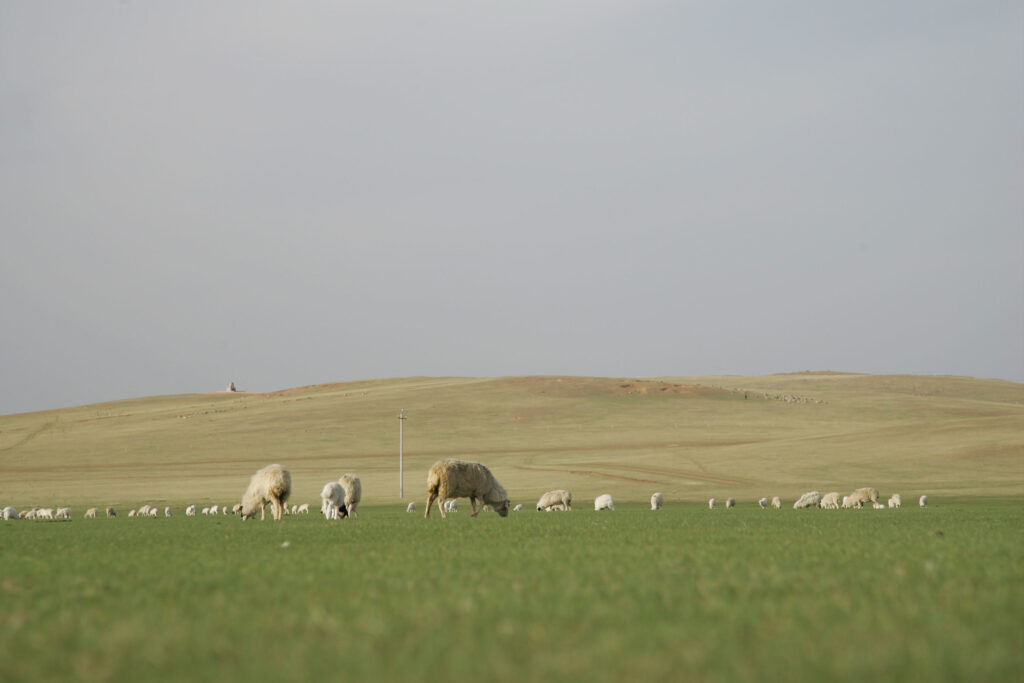
A new platform will link investors with promising initiatives to restore the world’s rangelands through sustainable livestock value chains to help close the $278 billion finance gap for reversing land degradation.
The STELARR Rangeland Restoration Investment Hub, developed by the International Livestock Research Institute (ILRI) and partners and launched at the UN COP17 desertification conference in Mongolia, taking place August 17 to 28, offers a portfolio of investment opportunities to restore rangelands.
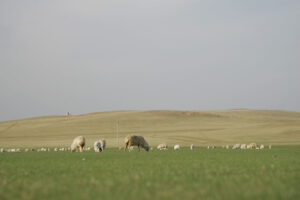
Rangelands, which include grasslands, shrublands, woodlands, wetlands, and deserts, cover more than half of the world’s land surface. They represent a third of the planet’s carbon reservoir and support the production of globally significant commodities, including cashmere, beef, gums and resins.
The Hub includes a pipeline of investment cases in Colombia, Brazil, South Africa, Mongolia, Kyrgyzstan and Kenya among others. All follow a set of principles based on transparent and accountable rangeland stewardship practices, social equity, evidenced metrics, high animal welfare standards, and clearly defined economic, environmental and social targets.
“Rangelands are vital ecosystems that provide livelihoods for two billion people as well as valuable commodities, but they face growing existential threats in invasive plants, climate change, encroachment and land conversion,” said Fiona Flintan, Senior Scientist, Rangelands and Pastoralism and lead of the Hub, at ILRI.
“Investing in rangelands restoration offers a rare opportunity for the private sector to support both greater profitability and sustainability by building resilience and stabilising supply chains from these critical landscapes.”
Evidence shows that restored rangelands can double forage productivity, improve herd health and increase livestock yields, offering returns of up to $35 for each dollar invested. Restoration can also improve biodiversity levels, increase carbon stocks, rebuild ecosystem services and enhance climate resilience, helping companies to meet environmental, social and governance (ESG) targets.
Investment cases include the Elysium Cerrado Restoration Project, which aims to restore up to 30,000 hectares of degraded pastureland in the Brazilian Cerrado through native-tree silvopastoral and integrated crop–livestock–forestry (ICLF) systems. The project, which requires $60 million, is expected to increase ranchers’ net incomes two to three-fold, driven by improved forage production, reduced drought losses, and additional revenue from baru nuts, macaúba oil, and other tree-based products.
The KAVADI Hub, a private-sector platform in Kenya’s Arid and Semi-Arid Lands (ASAL), is seeking to double the $500,000 already secured to support pastoralists and smallholder producers sustainably harvesting frankincense resin, gum Arabic, aloe leaves, baobab and moringa seeds. The platform, which already generates more than $300,000 in annual revenue, will use the funding to improve factories, support more than 30 enterprises and restore more than 200 hectares of degraded rangelands.
And in Colombia, the GANSO Carbon Program is a 40-year grouped carbon project that requires up to $800,000 to generate high-integrity carbon credits while transforming livestock production in Colombia.
The Rangeland Restoration Investment Hub is an initiative of the Sustainable Investments for Large-Scale Rangeland Restoration (STELARR) project working closely with UNCCD’s Business for Land (B4L) initiative, and will be discussed further in the B4L pavilion during a COP17 side event on Wednesday, August 26.
Currently funded by the Global Environment Facility, STELARR is led by ILRI with partners including IUCN, UNCCD Rangelands Initiative and Business4Land, Global Landscapes Forum Rio Changemakers, the Rangelands Stewardship Council and other CGIAR centres.